

Blog
How to Make Your Headphones Last Longer


We’ve all been there. You invest in a great pair of headphones, they sound fantastic, and then—six months later—the audio starts cutting out in one ear, or the cable frays. It’s frustrating, expensive, and completely avoidable.
The truth is, most high-quality headphones are designed to last years, not months. The real secret to extending their life has less to do with luck and everything to do with simple, consistent care. This is a complete, human-friendly guide based on years of experience, designed to give you the expert knowledge you need to treat your gear right.
If you’re tired of replacing your gear, follow these practical headphone maintenance tips to save money and keep the music playing smoothly for the long haul.
The Golden Rules of Cable Management (For Wired Headphones)
The single biggest reason wired headphones fail is damage to the cable. Wires are sensitive, and how you handle them directly impacts your headphone life. Best ear phone manufacturer in delhi
Mastering the “Coil” Technique
Never just wad up your cable and stuff it into a pocket. This creates sharp bends and internal stress that leads to frayed wire and ultimately, total failure. The solution is the tangle-free storage method, often called the “roadie wrap” or the “lazy eight” technique.
A Simple Coiling Example:
Instead of wrapping the cable tightly around your hand, which twists the internal conductors, hold the connector between your index finger and thumb. Loop the cable naturally, alternating between an overhand loop and an underhand loop. This keeps the cable flat and prevents it from twisting at a molecular level. Use a velcro strap or a small rubber band to secure the neatly coiled loop.
Say No to “Strain Relief” Stress
The most vulnerable points on any pair of headphones are the connections: where the cable meets the plug, and where the cable meets the ear cups/drivers. This is called the “strain relief” area (the small, flexible rubber or plastic sleeve).
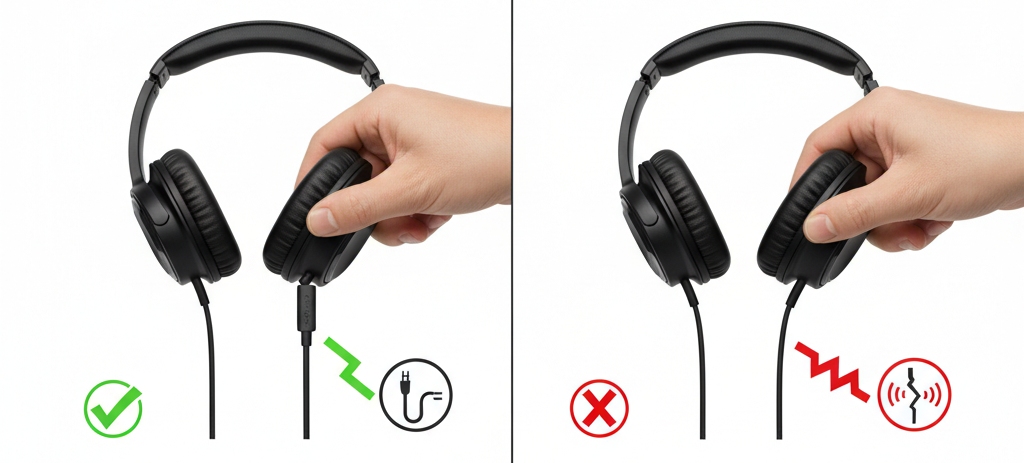
- Unplugging Correctly: Always pull the headphones out by gripping the hard plastic plug itself, not the flexible cable. Pulling on the cable causes immense internal strain relief stress and is a guaranteed way to cause a loose connection that results in sound cutting out.
- Avoid Tight Pockets: When your wired headphones are plugged into your phone in your pocket, the constant bending of the plug’s connection point will quickly ruin the internal cable integrity. Try to keep the phone and plug stationary.
Proper Storage: Your Headphones’ Safe Haven
How and where you store your headphones when they’re not in use is critical to extending headphone life.
The Non-Negotiable: A Carrying Case
If you travel or commute with your headphones, a dedicated carrying case is non-negotiable for protecting headphones. A hard-shell case prevents physical damage, like crushing the drivers in a backpack or snapping the headband.
- Over-Ear: Use the manufacturer-provided case or a slightly larger, padded case that doesn’t put pressure on the ear cups.
- In-Ear Monitors (IEMs): Always use a small pouch or cable organizer to prevent the wires from becoming a tangled mess, which causes the internal conductors to stretch and break.
Environmental Factors (Heat and Moisture Damage)
Just like any electronic device, headphones do not like extremes.
- Avoid the Car: Never leave your headphones in a hot car. High temperature effects can permanently warp plastic parts, crack headbands, and soften adhesives, leading to an easy point of failure.
- Keep Them Dry: Excessive humidity and, most importantly, heavy rain can damage the sensitive electronics inside. Be mindful of moisture damage and never put damp headphones into an airtight case.
Essential Cleaning and Maintenance
Regular headphone care tips focus on keeping components clean, which prevents common failures and ensures long-term comfort.
Tackling Earwax and Dust Buildup
This is especially important for in-ear models. Earwax, sweat, and dust can clog the speaker grille, resulting in significantly lower volume or muffled sound.
Your Simple Cleaning Guide:
- For In-Ear: Carefully remove any silicone or foam eartips. Gently use a clean, dry toothbrush or a cotton swab to brush away the earwax and dirt from the grille. Never use liquid near the driver.
- For Over-Ear: Use a slightly damp cloth (water only, or a very mild soap solution) to wipe down the headband and outside of the earcups. For the ear cushion replacement and earpads, check if they are removable. If they are leather or protein leather, a dedicated, electronics-safe cleaning wipe works well.
- Preventing Headphone Damage: Ensure you remove the accumulated dust buildup from all crevices regularly.
Handling Sweat Damage
If you use your headphones for working out, they are constantly exposed to sweat damage. Sweat is acidic and corrosive.
- Wipe Down Immediately: After every intense workout, take a moment to wipe down your headphones, especially the earcups and cable, with a clean, dry cloth.
- Dry Openly: Allow them to air-dry completely before placing them back in their case. This mitigates moisture damage and protects the electronic components.
Specific Care for Wireless Headphones
Wireless models, while eliminating cable worries, introduce new challenges centered around power and portability.
Optimizing Battery Health
The life of your wireless headphones is determined by the life of their internal battery.
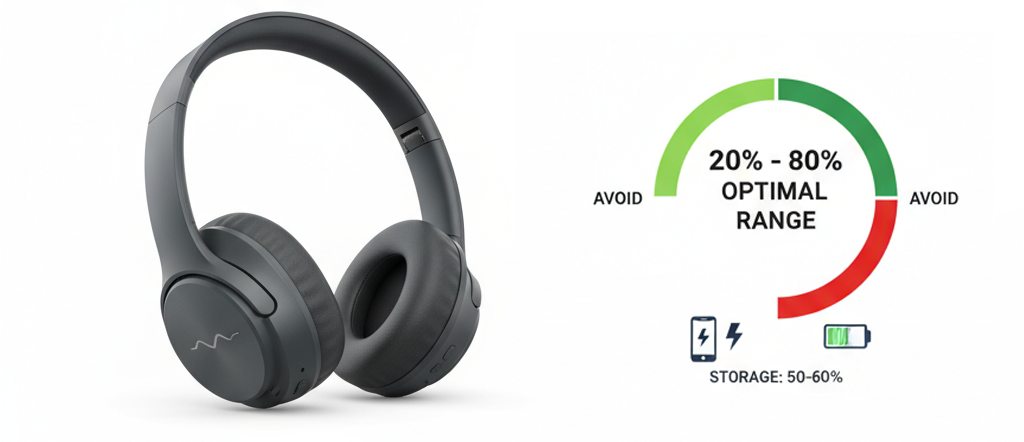
- The Charging Cycle: Modern lithium-ion batteries prefer to operate between 20% and 80% charge. Try to avoid letting the battery completely drain to 0% or leaving it plugged in at 100% for long periods. This smart Bluetooth charging cycle approach will extend headphone life by delaying the natural decay of the battery.
- Avoid Deep Discharges: If you won’t be using your wireless headphones for several weeks, charge them to about 50-60% before storing them. Storing them fully dead can cause them permanent harm.
Your Top 10 Questions About Headphone Durability
Based on common Google searches, here are direct answers to your most pressing questions on headphone maintenance and longevity.
1. How often should I clean my headphones?
A: If you use them daily, you should wipe them down weekly and do a deep clean (removing earwax, dusting) once a month. This is key to preventing headphone damage.
2. Can heat damage my headphones?
A: Yes, absolutely. High heat (like being left in a car) can melt plastic, weaken adhesives, and severely damage the internal electronics and battery life of wireless headphones.
3. Is it okay to sleep with my headphones on?
A: No. You risk crushing the drivers, snapping the headband, or severely stressing the cable integrity while you move. This is one of the quickest ways to cause irreparable damage.
4. What is strain relief and why is it important?
A: Strain relief is the flexible rubber material connecting the cable to the hard plug/earcup. It’s important because it’s designed to bend with stress, protecting the delicate internal wires from snapping, provided you don’t abuse it.
5. How do I fix a loose connection?
A: Unfortunately, a loose internal connection at the plug or driver usually requires professional soldering or an attempt at self-repair, which is often difficult. The best strategy is prevention through proper unplugging correctly.
6. How should I store the cable?
A: Use a gentle, rounded coiling technique (like the “lazy eight”) and a small cable organizer strap. Avoid wrapping it tightly around your phone or music player.
7. Can I use rubbing alcohol to clean them?
A: Only on the non-porous, hard plastic parts of the headband or exterior housing. Never use it on earpads, leather/pleather surfaces, or near the speaker grille, as it can dry out materials and damage the drivers.
8. How long do headphones usually last?
A: With good headphone maintenance, a high-quality pair can last anywhere from 3 to 10 years, depending on the model and frequency of use. Poorly maintained ones often fail in 6 to 12 months.
9. Is it bad to leave them plugged in all the time?
A: For wireless headphones, yes, constantly leaving them on the charger can degrade the battery health over time. For wired headphones, it’s fine, provided the cable isn’t bent or stressed.
10. How do I protect my headphones from sweat?
A: Look for IP-rated (water-resistant) headphones for workouts. If your current ones are not, use sweat-proof covers on the earpads, and always, always wipe them dry immediately after your exercise session.
Conclusion: A Little Effort for Long-Term Enjoyment
The journey to making your headphones last longer doesn’t require a lot of time or special tools—just a little consistency. By adopting these simple, expert headphone care tips for storage, handling, and cleaning, you dramatically reduce the risk of common failures.
Start small: Get a good carrying case today, and change the way you coil that cable. You’ll be amazed at how much you can extend headphone life, keeping your favorite sound companion with you for years to come.
Also have you checked Climate Test Chambers ?
Plant growth chambers are special type of environmental test chambers which are designed to perform plant growth experiments inside laboratory.